
Hnycareershub
Add a review FollowOverview
-
Founded Date May 17, 1941
-
Posted Jobs 0
-
Viewed 19
Company Description
NHS: Belonging in White Corridors
In the sterile corridors of Birmingham Women’s and Children’s NHS Foundation Trust, a young man named James Stokes navigates his daily responsibilities with subtle confidence. His polished footwear whisper against the floor as he acknowledges colleagues—some by name, others with the familiar currency of a “good morning.”
James displays his credentials not merely as an employee badge but as a testament of acceptance. It hangs against a pressed shirt that offers no clue of the challenging road that brought him here.
What separates James from many of his colleagues is not obvious to the casual observer. His presence discloses nothing of the fact that he was among the first beneficiaries of the NHS Universal Family Programme—an effort created purposefully for young people who have spent time in care.
“It felt like the NHS was putting its arm around me,” James explains, his voice steady but tinged with emotion. His statement summarizes the heart of a programme that aims to reinvent how the massive healthcare system views care leavers—those often overlooked young people aged 16-25 who have emerged from the care system.
The numbers tell a troubling story. Care leavers frequently encounter poorer mental health outcomes, financial instability, housing precarity, and lower academic success compared to their contemporaries. Behind these clinical numbers are human stories of young people who have traversed a system that, despite best intentions, often falls short in providing the stable base that shapes most young lives.
The NHS Universal Family Programme, initiated in January 2023 following NHS England’s pledge to the Care Leaver Covenant, represents a profound shift in systemic approach. At its core, it acknowledges that the whole state and civil society should function as a “communal support system” for those who have missed out on the stability of a typical domestic environment.
A select group of healthcare regions across England have blazed the trail, creating frameworks that rethink how the NHS—one of Europe’s largest employers—can open its doors to care leavers.
The Programme is meticulous in its methodology, beginning with thorough assessments of existing practices, forming governance structures, and securing leadership support. It acknowledges that successful integration requires more than lofty goals—it demands practical measures.
In NHS Birmingham and Solihull ICB, where James started his career, they’ve established a consistent support system with representatives who can offer help and direction on mental health, HR matters, recruitment, and inclusivity efforts.
The traditional NHS recruitment process—formal and often daunting—has been thoughtfully adapted. Job advertisements now emphasize character attributes rather than long lists of credentials. Application processes have been reimagined to consider the particular difficulties care leavers might encounter—from not having work-related contacts to having limited internet access.
Maybe most importantly, the Programme recognizes that beginning employment can pose particular problems for care leavers who may be handling self-sufficiency without the safety net of family resources. Issues like transportation costs, identification documents, and banking arrangements—considered standard by many—can become substantial hurdles.
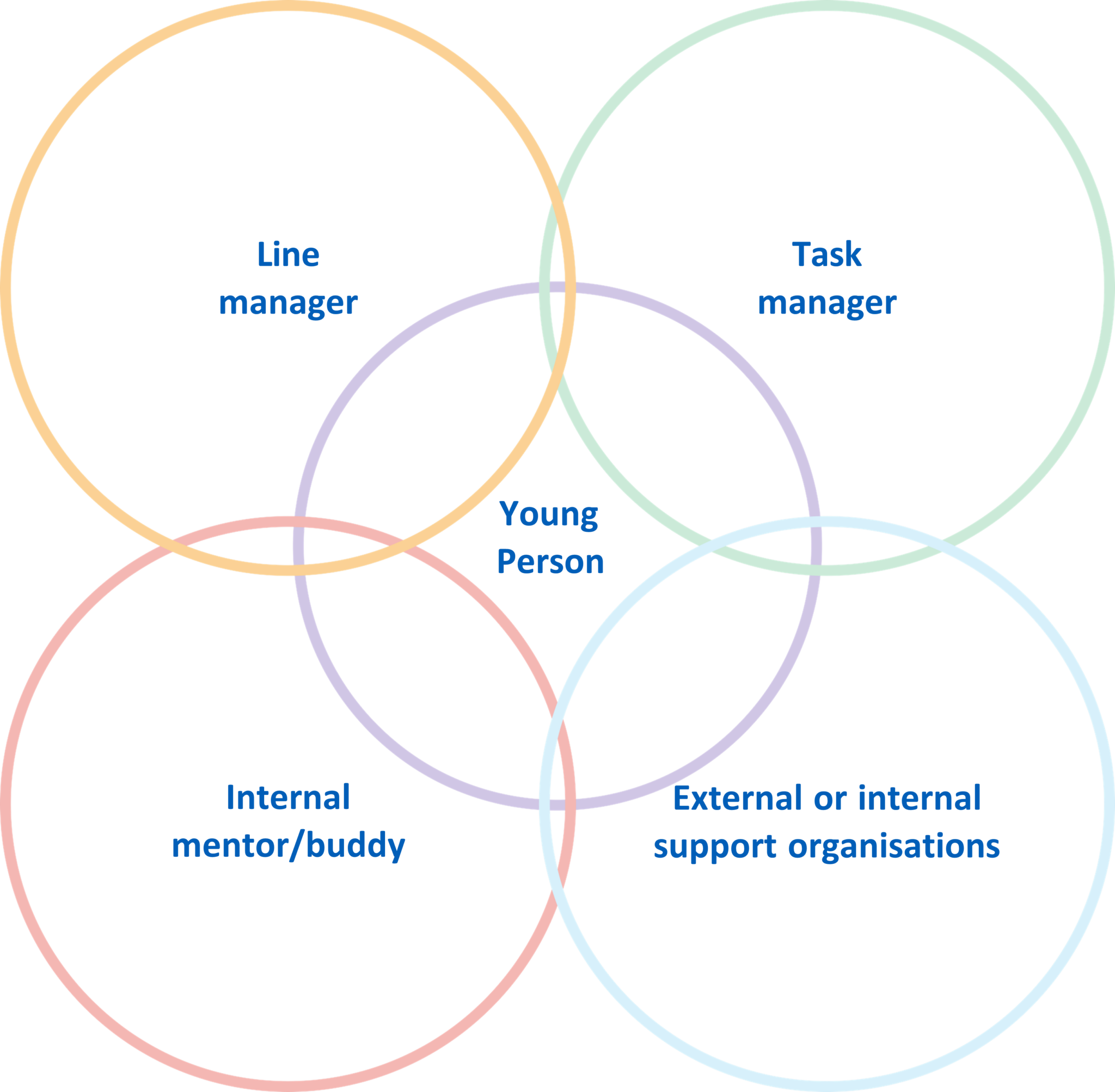
The brilliance of the Programme lies in its thorough planning—from explaining payslip deductions to helping with commuting costs until that essential first wage disbursement. Even apparently small matters like break times and office etiquette are deliberately addressed.

For James, whose NHS journey has “changed” his life, the Programme provided more than employment. It offered him a feeling of connection—that elusive quality that develops when someone is appreciated not despite their past but because their unique life experiences improves the organization.
“Working for the NHS isn’t just about doctors and nurses,” James notes, his gaze showing the modest fulfillment of someone who has secured his position. “It’s about a collective of different jobs and roles, a group of people who really connect.”
The NHS Universal Family Programme exemplifies more than an job scheme. It exists as a powerful statement that institutions can adapt to embrace those who have navigated different paths. In doing so, they not only change personal trajectories but improve their services through the special insights that care leavers provide.
As James walks the corridors, his participation silently testifies that with the right support, care leavers can succeed in environments once deemed unattainable. The support that the NHS has offered through this Programme symbolizes not charity but recognition of overlooked talent and the essential fact that everyone deserves a support system that champions their success.